
 Contact Us
 Trusted to keep things rolling smoothly!
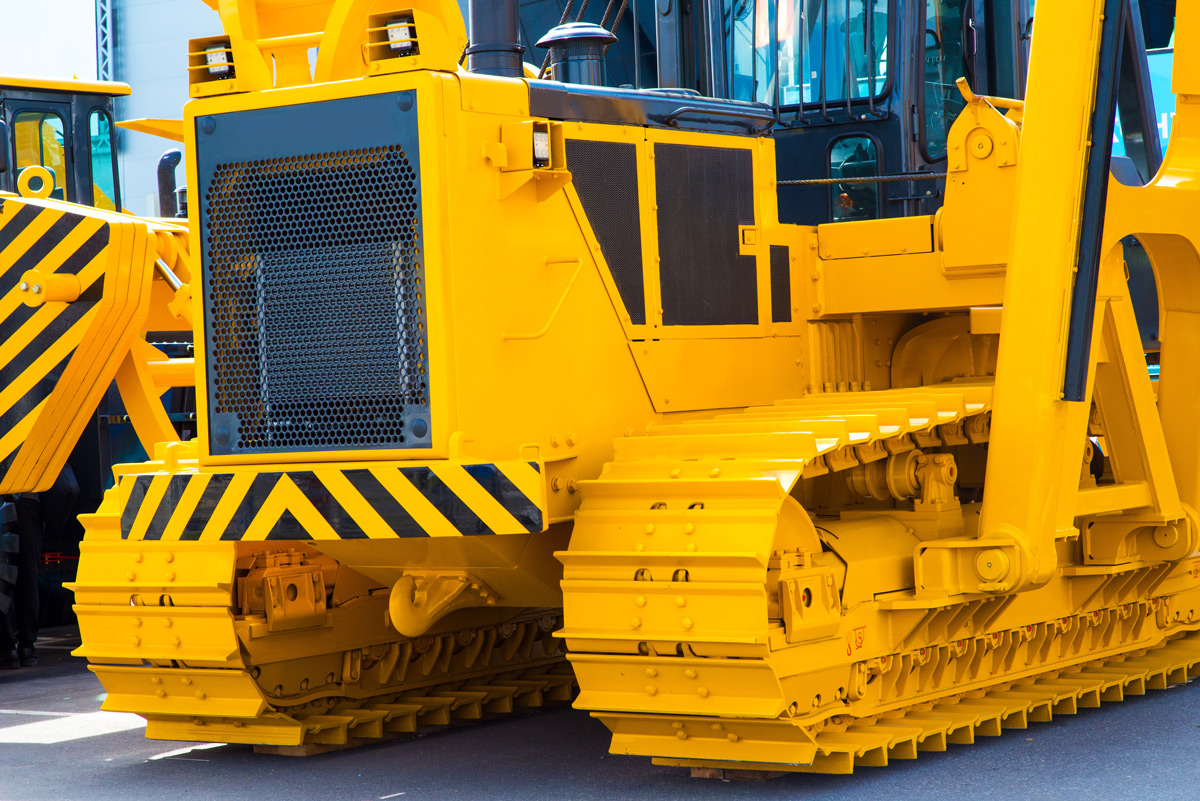
Off-Highway Automotive applications also benefit from efficiency in installation, and easier, more reliable inspection. Direct Tension Indicators (DTIs) are now standardized for many of these applications under ASTM standard F2437/F2437M.
DTIs guard against vibration loosening.
A bolting technology research study was conducted at SPS Contract Research in Jenkintown PA, USA using the Junker's vibration loosening test methodology. The Class 8 truck manufacturer for whom the testing was performed wanted to verify that introduction of DTIs to the assemblies would not make vibration-loosening characteristics of the connections any worse. Interestingly enough, the reverse was true: Inclusion of DTIs in the assemblies enhanced the resistance to vibration-loosening significantly.DTIs help control cyclical stresses.
Direct tension connections subject to cyclic stress are of particular concern with respect to the importance of attaining sufficiently high bolt tensions to avoid sudden and unexpected fatigue failure in service. DTIs offer an easy and affordable way to visually indicate that the tension which the design relies upon for performance has been provided. Further, a high initial bolt tension in a tension connection protects against vibration-loosening.DTIs guard against permanent loss of load after a prying force has been applied.
An independent university study in Leeds, England showed that DTIs help the assembly recover its load after an overload or prying force is applied to the connection. The researchers found that there is more spring, or "bounce back" in the DTIs protrusions than there is in the bolts themselves. In effect, fastener assemblies with TurnaSure DTIs are considerably more elastic than assemblies without DTIs.The ASTM specification for DTIs for Trucks and Off-Highway Equipment is as follows:
ASTM F2437/F2437M Carbon and Alloy Steel Compressible-Washer-Type Direct Tension Indicators for Use with Cap Screws, Bolts, Anchors, and Studs, latest revision.
Contact TurnaSure today for more information, availability and quotes.